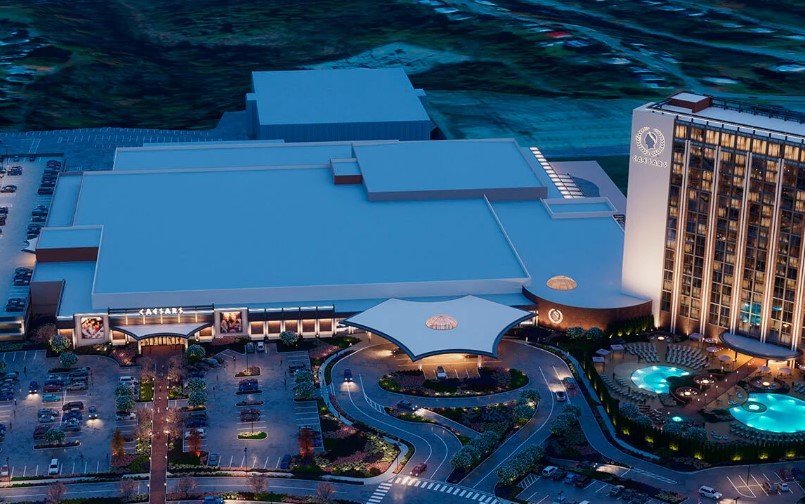
Virginia Governor Abigail Spanberger delivered a sharp veto on April 9, killing a bill that would have opened the door to a huge casino in Fairfax County. The Fairfax casino veto stunned Senate Majority Leader Scott Surovell, who called it Northern Virginia labor’s top goal and promised to bring it back next year. Local leaders cheered the win for community voice, but backers see lost jobs and cash at stake.
Lawmakers in Richmond pushed hard for Senate Bill 756. The measure passed the state Senate 25 to 13 and the House of Delegates 55 to 41 on March 14, the session’s final day.
Scott Surovell, D-Fairfax County, led the charge for a fourth straight year. His plan added Fairfax County to Virginia’s short list of spots allowed to host casinos. Once eligible, local leaders would have no choice but to call a voter referendum on the project.
The proposed site sat outside the Capital Beltway in Tysons, tied to a 1.5 million square foot mixed-use complex. Think hotels, shops, a convention center, and gaming floors near the Spring Hill Metro station.
Local Leaders Draw a Hard Line on Casino Talk
Fairfax County Board of Supervisors said no way back in December 2025. They made opposition official in their 2026 legislative wish list.
Chairman Jeff McKay thanked Spanberger for backing their stand. Most Fairfax delegates and senators in the General Assembly voted against the bill too.
One short win for locals.
Fears ran high about gridlock on already jammed roads. Tysons fights enough traffic without slot machines pulling crowds from D.C.
Crime worries topped the list for many residents. The No Fairfax Casino Coalition rallied homeowners and groups against it. They called out weak studies on benefits.
Economic Boost or Risky Bet?
Supporters eyed big wins for workers and schools. A draft county study pegged annual gaming revenue at $313.6 million. That could mean $62.1 million in taxes split between state and local coffers.
Surovell pointed to a 2019 state report. It said a Northern Virginia casino would outpace revenue from all other approved sites combined.
Labor unions backed it strong. Every major building trade group in the area pushed the bill as their number one ask.
Virginia casinos already pump cash. In February 2026, the five sites raked in a record $95.2 million, up 26.6 percent from last year.
Here’s a quick look at the action:
| Casino Location | Status | Feb 2026 Revenue |
|---|---|---|
| Portsmouth | Open | Part of $95.2M total |
| Danville | Open | Leads with Caesars push |
| Bristol | Open | Steady performer |
| Norfolk | Building | On track |
| Richmond | Failed votes | No go |
Backers argued Fairfax misses out while Maryland’s MGM National Harbor grabs tourists and jobs.
Surovell Fires Back at Fellow Democrat
Surovell sounded frustrated. He slammed Spanberger’s reasoning and said she never called before the veto.
“This bill was Northern Virginia labor’s number one legislative priority,” he stated, backed by unions and the Northern Virginia Chamber of Commerce. It drew votes from both parties.
The leader called it a simple permission slip for voters. No forced build, just a chance to weigh in.
“We will be back,” Surovell pledged. He lamented lost chances like a Sphere entertainment venue heading to Maryland instead.
Override looks tough. The bill’s margins fall short of the two-thirds needed in both chambers.
Spanberger stressed local control in every past casino deal. She wants one statewide gaming watchdog for all bets, not piecemeal laws.
This Fairfax casino veto lays bare tensions in Virginia’s Democratic ranks. Revenue hunger clashes with home rule fears. Other regions thrive on gaming gold, but Fairfax bets on different paths to growth like housing and tech.
As dust settles, one thing stands clear: the fight over slots in suburbia heats up. Northern Virginia families watch close. This could shape school funds, traffic snarls, and job hunts for years.