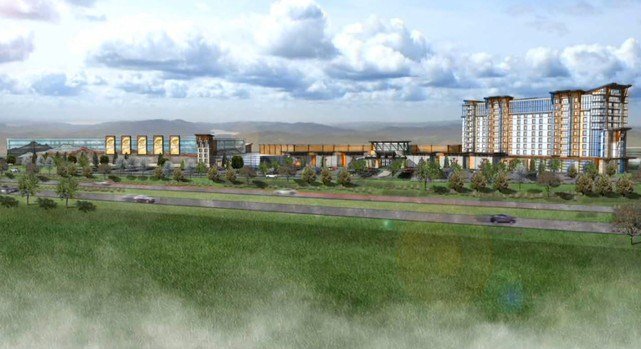
In a bold move amid growing uncertainty, the Scotts Valley Band of Pomo Indians filed motions on Friday to dismiss three federal lawsuits challenging their $700 million casino project in Vallejo, just one day after federal officials flagged a possible “legal error” in the original approval. This high-stakes drama could reshape tribal gaming in California, with rival tribes fighting to block the massive development. What’s next for this controversial plan?
The U.S. Department of the Interior dropped a bombshell this week, admitting that its January approval of the Scotts Valley Band’s gaming rights might rest on shaky legal ground. In a letter dated December 4, 2025, the agency said evidence from local tribes and others raises serious questions about whether the 160-acre site in Solano County qualifies for casino operations under the Indian Gaming Regulatory Act.
This potential error could unravel years of planning for the tribe, which has long sought to restore its land and economic base after historical losses.
Rival tribes, including those with established casinos nearby, argue the project violates federal rules meant to prevent “reservation shopping,” where tribes seek gaming rights far from their ancestral lands. The Scotts Valley Band, based in Lake County, claims the Vallejo site ties back to their heritage.
Officials at the Interior Department promised a swift review, but no timeline was set. This comes after a U.S. District Court in October 2025 ruled that the agency could reconsider the decision without halting the project entirely.
The band’s chairman expressed frustration, calling the review an unnecessary delay driven by competitors protecting their turf.
Motions to Dismiss Heat Up Court Fight
On December 5, 2025, the Scotts Valley Band fired back by filing dismissal motions in the U.S. District Court for the District of Columbia. These target lawsuits from opponent tribes aiming to undo the land-trust decision that placed the Vallejo parcel under federal protection for the band.
The motions argue that the challengers lack standing and that the Interior Department’s actions followed proper procedures.
This legal volley follows months of back-and-forth. Earlier court rulings allowed the review to proceed but kept the project’s green light intact for now.
If dismissed, these cases could clear a major roadblock, letting the tribe advance toward breaking ground.
One key issue is the site’s eligibility. Federal law restricts gaming to restored lands for tribes like Scotts Valley, which lost recognition in the past and regained it in 1991.
The proposed casino, near the busy intersection of Interstate 80 and Highway 37, promises big economic boosts but stirs traffic and environmental worries among locals.

Project Details and Economic Promises
At the heart of the plan is a sprawling $700 million complex set to operate around the clock. The development includes a full casino, 24 single-family homes for tribal members, an administration building, a parking garage, and a 45-acre biological preserve to protect local wildlife.
Supporters highlight job creation, with estimates from a 2024 tribal study suggesting up to 2,000 construction jobs and 1,500 permanent positions once open. The band points to a report by the California Economic Development Authority, which analyzed similar projects and found they often inject millions into local economies through tourism and taxes.
Yet, critics worry about increased congestion in Solano County, already strained by Bay Area growth.
Here’s a quick breakdown of the project’s main components:
- Casino Facility: 24/7 gaming with slots, tables, and entertainment venues.
- Housing: 24 homes to support tribal families relocating or visiting.
- Preserve Area: 45 acres dedicated to habitat conservation, addressing environmental concerns.
- Infrastructure: Parking garage to handle thousands of daily visitors.
This setup aims to blend economic growth with cultural restoration, but the legal snags threaten to delay it all.
The tribe’s push aligns with broader trends in California, where tribal gaming generated over $8 billion in revenue in 2023, according to the National Indian Gaming Commission. That figure underscores why rivals are fighting hard to protect their market share.
Opposition from Rivals and Community Impacts
Rival tribes have not backed down, filing suits that claim the Vallejo site does not meet “restored lands” criteria because it’s over 100 miles from the band’s historical territory.
One lawsuit, backed by groups like the Yocha Dehe Wintun Nation, argues the approval ignored key evidence about land eligibility. A federal judge in October 2025 sided partly with challengers, allowing the Interior Department to revisit its decision.
For Vallejo residents, the project means potential revenue for city services, but also fears of gambling addiction and traffic jams. A 2025 survey by the Solano County Planning Department showed 55% of locals support the casino for its jobs, while 40% oppose it due to social concerns.
The band insists the development will include responsible gaming measures and community benefits, like funding for local schools.
Environmental groups have raised alarms about the site’s proximity to wetlands, though the preserve aims to mitigate that.
As the review unfolds, experts predict more court battles. A gaming law analyst from the University of Nevada, in a 2025 report, noted that similar disputes often drag on for years, costing tribes millions in legal fees.
This fight touches on deeper issues of tribal sovereignty and fair competition in California’s booming casino industry.
The Scotts Valley Band’s casino saga highlights the tense balance between tribal rights, economic dreams, and legal realities in modern America. As federal officials dig deeper into the alleged error, the project’s fate hangs in the balance, potentially setting precedents for other tribes nationwide.