
Regional casinos are stealing the spotlight from Las Vegas, with operators reporting strong consumer demand at the Bank of America 2025 Gaming, Lodging & Leisure Conference. This shift highlights a stable market for local gaming spots while big-city destinations face tough times. Dive in to see why experts predict more growth ahead and how digital players are gearing up for a big season.
Regional Operators Report Healthy Consumer Trends
At the 15th annual Bank of America Gaming, Lodging & Leisure Conference in New York City, leaders from 34 companies shared upbeat views on regional casinos. Firms like Penn Entertainment and Caesars Entertainment pointed to a steady flow of local visitors who prefer staying close to home.
Overall, it seems like the regional consumer is stable or good in most markets, said BofA analyst Shaun Kelley. He noted that unrated play, which means casual visitors without loyalty cards, has improved and should keep rising into the third quarter.
This strength comes from offering real value to everyday players. Regional spots focus on affordable fun, drawing people who skip long trips. Kelley added that 2026 might bring less new competition, giving these operators room to grow.
One key factor is the healthy economy in many areas. People feel secure spending on quick getaways. For instance, a family in the Midwest might choose a nearby casino over flying to Vegas, saving time and money.
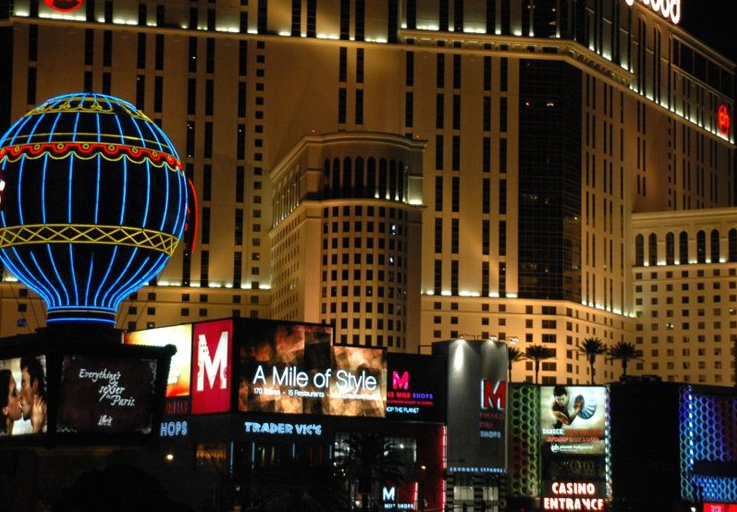
Las Vegas Hits Bumps in Visitor Traffic
Las Vegas, once the unbeatable king of gaming, now deals with fewer visitors. Conference speakers blamed issues like the Spirit Airlines bankruptcy, which cut cheap flights, and weaker travel from Canada and overseas.
Drive-in customers from nearby states have dropped too. This hurts hotels and casinos that rely on easy access. Any recent improvement sounded modest, but there’s optimism for the fourth quarter, given the event and group calendar, Kelley explained.
Big players like MGM Resorts International and Caesars are fighting back. MGM plans to boost its branding and tweak prices to attract more value seekers. Caesars leans on its customer database to send targeted offers.
These changes could help, but the road ahead looks tricky. Analysts warn that without quick fixes, Vegas might lose more ground to regional rivals.
The contrast is clear. While regional spots enjoy steady crowds, Vegas needs big events to fill rooms.
Digital Gaming Leaders Gear Up for NFL Boost
Digital gaming stole some attention at the conference too. Companies like DraftKings and BetMGM expressed confidence heading into the NFL season, a peak time for bets.
DraftKings highlighted progress in parlay bets, where players combine wagers for bigger payouts. They also rolled out new features like stacks and ghost legs to keep users engaged.
The digital companies sounded confident in their products going into the NFL season, Kelley said. He pointed out how AI helps control costs, making operations smoother.
This tech edge lets firms offer better odds and faster service. For bettors, it means more fun and easier ways to play from home.
Growth in digital gaming affects everyone. More people bet online, which boosts overall industry revenue. Yet, it also competes with physical casinos, pushing them to adapt.
Here’s a quick look at key digital trends discussed:
- Parlay mix improvements exceed expectations.
- New products like stacks keep momentum strong.
- AI tools cut fixed costs for better efficiency.
Future Prospects for Gaming Industry Growth
Looking ahead, the conference painted a mixed but hopeful picture. Regional casinos could see even stronger years with less new supply in 2026. This means existing spots might capture more market share.
For digital players, the NFL season offers a chance to set records. Innovations in betting tech will likely draw new users, especially younger ones who prefer apps over trips.
MGM talked about global plans, like projects in Japan and Brazil, but the focus stayed on U.S. trends. Caesars aims to use data to personalize experiences, keeping loyal customers coming back.
One standout point was diversification. Companies like MGM push beyond Vegas, betting on international growth to balance risks.
Challenges remain, such as economic shifts that could slow spending. Still, the mood was positive, with leaders ready to seize opportunities.
| Sector | Key Strength | Main Challenge |
|---|---|---|
| Regional Casinos | Stable local demand | Limited big events |
| Las Vegas | Major attractions | Declining visitors |
| Digital Gaming | Tech innovations | Competition from physical spots |
This table shows how each area stacks up based on conference talks.
The Bank of America 2025 Gaming, Lodging & Leisure Conference wrapped up with clear winners emerging in regional and digital spaces, signaling a shift away from Vegas dominance. As consumers seek value and convenience, the industry adapts with smarter strategies and tech. This evolution promises exciting times for gamers and investors alike, stirring hope for a vibrant future amid changing habits. What do you think about this gaming shift—will regional spots keep winning, or can Vegas bounce back? Share your thoughts and pass this article to friends on social media.