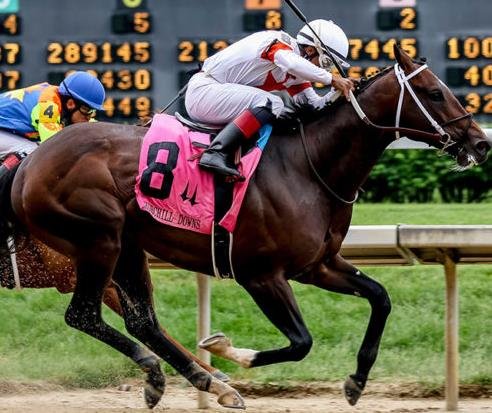
Hawaii, the last state in America that bans almost all gambling, just opened the door wider than ever before. A new working group met for the first time Thursday and started a deep dive into whether casinos, sports betting, or both should finally come to the islands.
Bold move came straight from state lawmakers who created the Tourism and Gaming Working Group earlier this year. The 13-member panel now has until the end of 2025 to deliver a full report with recommendations.
Sharp Divide Shows Up on Day One
Inside the Capitol conference room, the battle lines formed fast.
Law enforcement officers and prosecutors painted a dark picture. Honolulu Police Department Major Michael Lambert warned that casinos bring organized crime, money laundering, and problem gambling. He told the group that other states saw clear spikes in theft, domestic violence, and DUI cases after resorts opened.
On the other side, developers and gaming experts promised thousands of new jobs and hundreds of millions in fresh tax money each year. Jim Richards, a consultant who helped bring casinos to Singapore and Massachusetts, said Hawaii could pull in tourists who now fly to Las Vegas or Macau to gamble.
“We are leaving billions on the table every year,” Richards said, pointing to visitor surveys that show many people want gaming options right here.
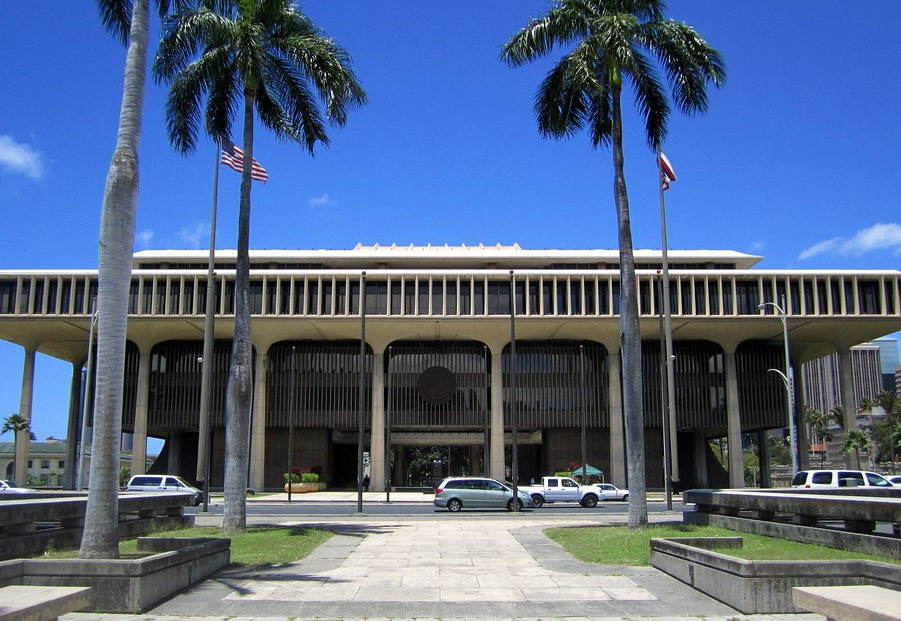
Money Crunch Pushes the Debate
Hawaii faces a giant budget hole after years of slow tourism recovery and rising costs. The state Council on Revenues cut its growth forecast again this month. Lawmakers say they need new revenue streams that do not hit local residents with higher taxes.
Casinos could deliver fast cash. A draft study shared at the meeting estimates one Waikiki resort casino could generate $300 million to $400 million in tax revenue each year. Add sports betting statewide and the total climbs past half a billion dollars.
That money could fix roads, lower property taxes, or fully fund public schools, supporters argue.
Addiction and Culture Raise Red Flags
Native Hawaiian groups and health experts pushed back hard.
Tracy Lopes, who runs addiction programs on Maui, told the panel that island communities already struggle with high rates of substance abuse. She fears easy access to gambling will wreck families.
“We are not Las Vegas. We are a small place where everyone knows everyone,” Lopes said. One bad night at the tables can hurt an entire ohana (family).
Cultural leaders also worry that giant casino towers will change the soul of Waikiki and block ocean views that belong to everyone.
What the Working Group Will Study Next
The panel laid out a busy schedule:
- October: Hear from Nevada and New Jersey regulators about what works and what fails
- November: Visit Singapore to see limited casino resorts in action
- December: Public hearings on every major island
- Early 2025: Vote on final recommendations to the Legislature
Lawmakers stress nothing is decided yet. Any real change would still need a bill passed in 2026 and signed by the governor.
Where Public Opinion Stands Right Now
Recent polls show Hawaiʻi residents remain split. A June 2024 survey by the Honolulu Star-Advertiser found 48 percent support at least one resort casino, 44 percent oppose, and 8 percent are undecided. Sports betting alone gets slightly higher support at 52 percent.
Younger residents and tourists favor it far more than kupuna (elders).
For decades Hawaii proudly stayed the only state besides Utah with no legal slot machines, no card rooms, and no lottery. That unique status now hangs in the balance as leaders hunt for cash and jobs in a post-pandemic world.
The working group meetings are open to the public and streamed live. Residents still have many chances to weigh in before any final call is made.