
Casinos could soon rely on smart machines to spot cheats and fix mistakes in real time, thanks to new artificial intelligence tools unveiled at a key industry event in Las Vegas last week. Experts say this tech will make floors safer and more efficient, but it faces real hurdles like dim lights and stacked chips. What does this mean for gamblers and operators alike?
The World Game Protection Conference wrapped up on March 5, 2026, at the South Point Casino Hotel in Las Vegas. This three-day event drew hundreds of pros focused on risks to casino operations. One standout session, called “The Amazing Race to Automated Surveillance,” featured top leaders sharing how AI will reshape video monitoring.
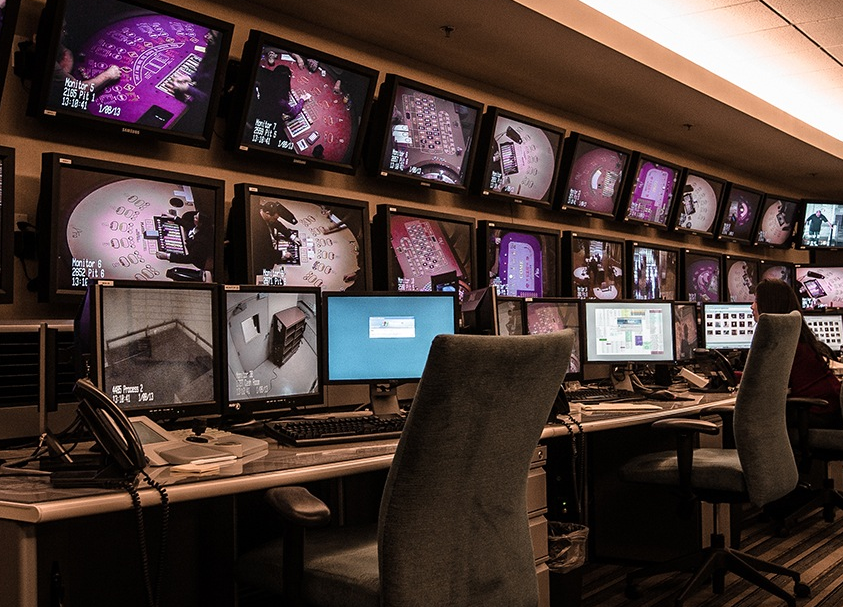
Willy Allison, the conference host, led the talk. He pointed out that computer vision tech, already powering self-driving cars, could now watch every table game live. This means spotting card counting or team cheats right away. Allison shared his white paper, “Seeing Is Believing,” which stresses how these systems beat old methods for speed and smarts.
The panel agreed that AI surveillance will turn a cost into a money-maker for casinos. Nicholas Irving, CEO and co-founder of Eulerion Technologies Inc., explained how their tools use existing cameras to guess chip stacks. Based in Cambridge, Massachusetts, Eulerion builds AI just for casino security. Irving noted the wild casino vibe, with smoke clouding views, but said tech from drones and cars will adapt fast.
Chencong Ren, founder of Aeyesky Inc. in Los Angeles, talked about turning game play into digital data for quick insights. Aeyesky focuses on table games, using AI to boost operations without big changes. Trevor Outman, founder and CEO of EagleSight, showed how their system watches all cameras at once and alerts on tricks like past posting or bet capping.
How These AI Tools Spot Cheats and Errors
AI now acts like extra eyes on the floor, catching what humans miss. EagleSight’s tech, for example, flags dealer slip-ups such as paying a loser or failing to collect bets. It also detects player scams like pinching chips or adding bets after the deal.
These systems learn from patterns, much like how phones recognize faces. Outman stressed that false alerts worry operators most, so EagleSight tunes for top reliability. In tests, card spotting hits 98 to 99 percent accuracy, while chip reads reach 92 to 97 percent.
Irving added that Eulerion profiles players by tracking bets over time. This helps spot advantage plays or even harm like problem gambling. Aeyesky digitalizes every hand, counting rounds per hour and side bet use to fine-tune games.
One key win is speed. Old surveillance needs teams to rewind tapes for hours. AI sends clips in seconds, letting staff act fast. This cuts losses from errors, which happen once every 200 hands in blackjack, based on industry data from late 2025.
Tackling Tough Challenges in Casino Settings
Casinos are tough spots for tech. Overhead cameras struggle with stacked chips blocking views or players fiddling with bets. Lighting flickers, and smoke from some floors blurs images. Regional twists add more: Macau pros hunt team collusion, while Las Vegas eyes high-roller tricks.
Panelists shared fixes. Pair AI with RFID chips for sure bet tracking, though it costs a lot to swap them out. Add special cameras for clear shots, borrowing tricks from military drones for depth sense. High-end existing setups work too, if tuned right.
Real-world tests show lab wins drop in live play, but tweaks boost rates to near perfect for errors. Outman said dedicated angles could solve stack issues in one to two years. Irving highlighted how operator input shapes the tech, making it fit busy floors. Human checks stay vital to confirm alerts and avoid mix-ups.
A simple list of common hurdles and answers:
- Chip stacks hiding values: Use multi-angle views and AI guesses.
- Dim or smoky rooms: Upgrade lights and filters for clear feeds.
- Player tricks like hiding cards: Train models on real scam videos.
- Cost of new gear: Start with software on old cameras.
These steps make AI practical, not just a dream.
The Big Shift: From Cost to Profit Center
AI promises to slim down staff needs while hiking wins. Allison predicted zero supervisors for table games, saving big on payroll. Surveillance teams could shrink, but new roles in data review might grow jobs overall.
Recovery rates could jump two to four times as AI spots more cheats early. Casinos turn footage into gold by analyzing trends, like slow dealers or hot side bets. This data helps set better comps and spot loyal players.
For gamblers, it means fairer games with fewer errors. Operators gain peace of mind, focusing on fun over watch. But integration takes time, with budgets and old systems clashing. Tribal spots need custom fits versus big chains.
A quick look at potential gains in a table:
| Feature | Current Way | AI Upgrade | Expected Boost |
|---|---|---|---|
| Cheat Detection | Manual tape review | Real-time alerts | 2-4x faster recovery |
| Player Ratings | Hand counts | Auto chip scans | Up to 90% accuracy |
| Error Spotting | Spot checks | Every hand monitored | 99% reliability |
| Staff Use | Full teams watching | Fewer supervisors | 100% cut possible |
This shift could redefine the industry by 2027, blending tech with human savvy.
As these AI tools roll out, casinos stand to gain safer floors and sharper edges in a tough market. The excitement from Las Vegas pros shows real hope for change, easing daily stresses for workers and ensuring honest play for all. Yet, the road ahead tests how well tech fits real life.