Australia’s media watchdog just fired its biggest warning shot at the gambling industry. The Australian Communications and Media Authority (ACMA) has placed gambling advertising reform at the very top of its 2026-27 enforcement agenda, just as the government’s landmark bill heads to Parliament this week. What happens over the next six months will permanently change how Australians watch sport.
What Changes When the New Rules Kick In
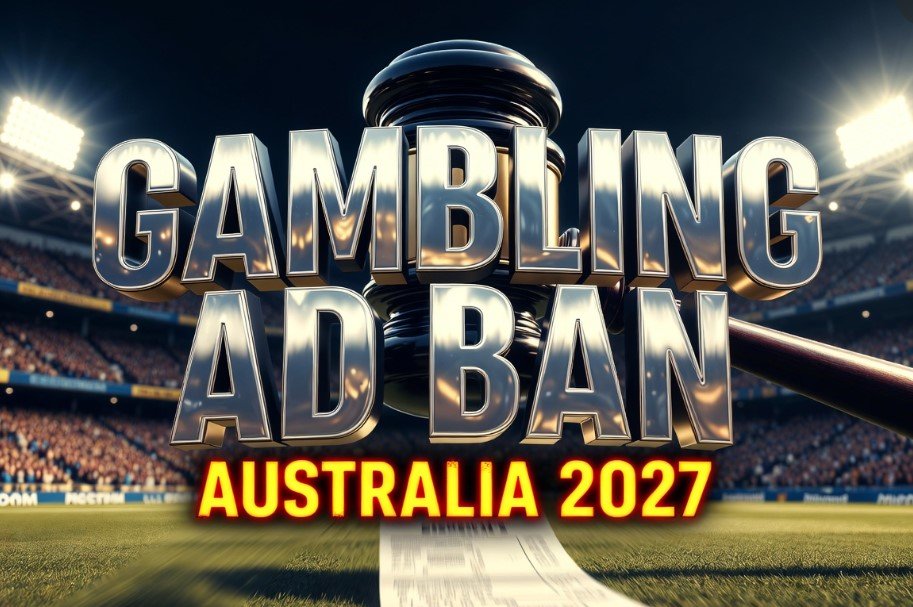
Labor’s long-awaited gambling advertising legislation is being introduced to Parliament this week ahead of a five-week winter break. Communications Minister Anika Wells confirmed in an interview with ABC Radio that there won’t be significant changes from the initial draft bill, and that it was necessary to push the bill through given the government’s aim to bring the new laws into effect by January 1. The reform package, announced by Prime Minister Anthony Albanese on April 2, 2026, represents the most significant overhaul of gambling marketing rules in Australia’s history. **If Parliament passes the bill, a sweeping new set of restrictions will take effect from January 1, 2027.** Here is exactly what the legislation proposes:
- A complete ban on gambling ads during live sports broadcasts on TV, radio, streaming and in-stadium screens, from one hour before to one hour after the event
- A cap of three gambling ads per hour on broadcast television between 6 am and 8:30 pm
- Radio gambling ads banned during school drop-off and pick-up times, 8 am to 9 am and 3 pm to 4 pm
- Online and streaming platforms to ban gambling ads unless users are logged in, confirmed as 18 or over, and given the option to opt out
- A ban on celebrities and professional athletes appearing in any gambling advertising
- A ban on gambling signage at sports venues and on players’ and officials’ uniforms
- Odds-style ads that directly target sports fans to be prohibited
The government estimates the reforms will deliver roughly a 50 percent reduction in gambling ads seen by children. For families sitting down to watch the footy at home, the change from January 2027 will be immediate and very hard to miss.
ACMA Takes Centre Stage as the New Gambling Watchdog
The reforms would significantly expand ACMA’s role in Australia’s gambling regulatory framework, giving the regulator primary responsibility for overseeing compliance with the new advertising restrictions. If passed by Parliament, the watchdog would be responsible for providing industry guidance, monitoring compliance, and taking enforcement action against advertisers, broadcasters and online platforms that breach the new requirements. ACMA Chair Nerida O’Loughlin said, “Whether it is helping stop scam messages before they reach consumers or ensuring vulnerable customers receive the protections they are entitled to, the ACMA will act where industry falls short.” The regulator’s focus goes beyond just broadcast advertising. In 2026-27, ACMA will also focus on collaborating with other regulators and industry to combat “scambling” services that exploit vulnerable Australians, and targeting influencers who promote illegal gambling services. The federal government has committed AU$112.7 million over five years under a program dubbed “Addressing Online Gambling Harms.” ACMA will receive AU$3.2 million in initial supplementary funding, along with AU$5.2 million yearly from 2026-27 through 2029-30 for enforcement activities and platform maintenance.
Last Year’s Crackdown Numbers Speak for Themselves
Alongside the new priorities announcement, the ACMA published its 2025-26 Compliance Priorities Outcomes Report. The numbers inside make clear this is a regulator already running at full speed. ACMA 2025-26 Enforcement at a Glance
- 70 offshore gambling services investigated
- Breaches found in all 70 services (a 100% strike rate)
- 49 illegal gambling websites blocked
- 7 offshore operators exited the Australian market entirely
- 14 providers still facing active enforcement action
- 64,500+ Australians enrolled in BetStop since its August 2023 launch
Regulators also wrapped up six separate investigations covering Tabcorp, LightningBet, Betfocus, TempleBet, Picklebet and BetChamps, finding that each company’s systems and internal controls failed to properly recognize and block customers who had already registered for self-exclusion. **Tabcorp received the largest penalty, paying AU$112,680 and entering into a court-enforceable undertaking requiring an independent review of its customer verification systems.** Since the blocking program first began in November 2019, ISPs across Australia have restricted access to 1,455 illegal gambling and affiliate websites.
Why Almost No One Is Happy With This Bill
The reforms have landed in a fierce political crossfire. Public health advocates say the government has not gone nearly far enough. The gambling industry says it has gone far too far. Neither side is holding back. Tim Costello, Chief Advocate of the Alliance for Gambling Reform, argued the proposed live sport ban “does nothing to break the nexus between gambling and sport” because ads can still run before and after games. He described the framework as “a piece-meal approach that fails our children” and called for a full ban in line with earlier parliamentary recommendations. Independent MP Kate Chaney described the proposal as “tinkering around the edges of meaningful reform.” Fellow independent David Pocock said it was “hugely disappointing,” adding, “At first blush these reforms will lead to more ads on social media, on streaming services and on podcasts.” The gambling industry is equally frustrated, just from the opposite direction. Responsible Wagering Australia described the measures as “draconian” and warned they set a “dangerous precedent” for government intervention in legal advertising. The organization argues that the venue and uniform bans alone will strip hundreds of millions of dollars from the professional sports ecosystem, with downstream effects on grassroots funding, player salaries and broadcast deals. **The numbers behind this debate make it impossible to ignore.** Harm levels among Australian gamblers have risen from 11 percent in 2019 to 15 percent in 2025. Research from the Grattan Institute showed that Australians lost more to gambling per capita than any other country in 2022, equating to about AU$1,635 per person. When the full social and economic effects are included, the estimated cost of wagering harm alone rises to AU$26.8 billion each year. The priorities come against a backdrop of ongoing debate around Australia’s gambling advertising laws, following a landmark Senate report released in 2023 that called for a complete ban on gambling advertising. As of April 2026, it had been over 1,000 days without a full government response to the report’s 31 recommendations. As the bill moves through Parliament this week, Australia sits at a genuine crossroads on one of its most contested public health issues. The ACMA naming these reforms as its top enforcement priority is a statement of intent backed by resources, legal powers and a track record of action. But the real measure of success will come on January 1, 2027, when the first family switches on a live match and the betting ads go quiet for the first time. For every Australian who has watched a loved one hurt by gambling, that moment cannot come soon enough. What do you think? Does Australia need a total ban on gambling advertising, or do these reforms strike the right balance? Drop your thoughts in the comments below and join the conversation on social media using #auspol.