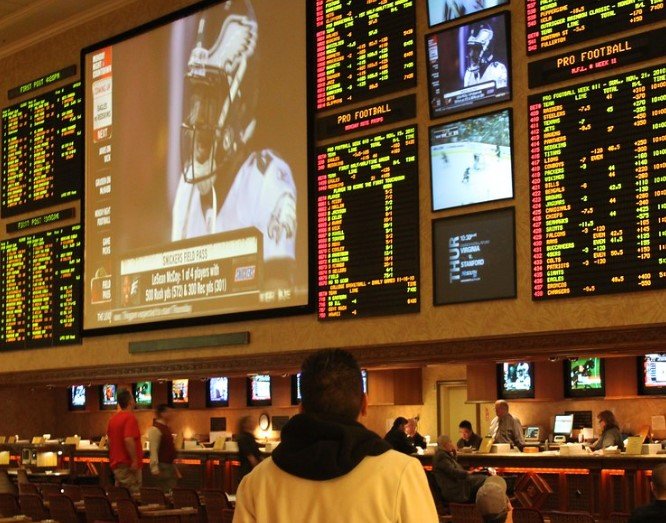
Chicago’s political landscape just got a major shakeup as Mayor Brandon Johnson chose not to veto a bold city council plan, paving the way for video gaming terminals in the Windy City. This decision could hit Bally’s massive casino project hard, raising questions about jobs, revenue, and the future of gambling in Illinois’ biggest city. What’s next for this high-stakes game?
Mayor Brandon Johnson made headlines on Tuesday by letting the Chicago City Council’s alternative 2026 budget take effect without his signature. This $16.6 billion plan, passed by a 29-19 vote last week, avoids a controversial corporate head tax that Johnson had pushed for. Instead, it opens the door to new revenue sources, including the legalization of video gaming terminals, or VGTs, which are slot-like machines common in bars and restaurants across Illinois but banned in Chicago until now.
By declining to veto, Johnson ensured the budget kicks in on January 1, despite his initial opposition. This move came after intense debates, with council members warning that Johnson’s tax idea would drive businesses away. The budget includes a small property tax hike for libraries, a higher fee on shopping bags, and a new charge on retail liquor sales. These changes aim to plug a budget hole without burdening big companies.
Critics say Johnson’s hands-off approach shows a shift in power toward the council. Supporters argue it’s a practical step to keep city services running smoothly.
Bally’s Casino Faces Tough Odds
Bally’s, the company building a $2 billion casino in Chicago’s River West neighborhood, is sounding alarms over the budget’s VGT provision. The casino, set to open by September 2026 as required by state law, includes plans for a hotel, theater, and restaurants on the old Tribune site. But with VGTs potentially flooding the market, Bally’s warns of serious harm.
Company leaders claim legalizing these terminals could slash their revenue and lead to job cuts. Their temporary casino at Medinah Temple has already fallen short of expected earnings since opening in 2023, bringing in far less than the projected $200 million annually. Bally’s argues that VGTs, which generate more tax money statewide than any other gaming source, would pull gamblers away from their high-end venue.
In a statement, Bally’s highlighted the risk to thousands of construction and permanent jobs tied to the project. They urged the city to rethink, pointing out that Chicago’s gaming ban was meant to protect big investments like theirs.
This isn’t the first hurdle for Bally’s. Earlier this year, they faced funding shortfalls and delays, with some experts doubting they’d meet the deadline. Now, with VGTs on the horizon, the company must decide whether to push forward or scale back.

VGTs: A Revenue Boost or Risky Bet?
Video gaming terminals have been a goldmine for Illinois since their statewide rollout in 2012. These machines, found in over 8,000 locations outside Chicago, raked in more than $2.5 billion in tax revenue last year alone, according to the Illinois Gaming Board. That’s more than casinos, horse racing, and lotteries combined.
Legalizing them in Chicago could add millions to the city’s coffers, helping fund schools, parks, and public safety. Proponents say it’s a fair way to spread gaming options without relying on one mega-casino. An ordinance to allow VGTs passed a key council committee in September, setting the stage for this budget inclusion.
But not everyone is on board. Opponents worry about increased gambling addiction and crime in neighborhoods. Studies from the University of Illinois in 2020 showed a spike in problem gambling where VGTs are dense. Bally’s echoes this, saying widespread machines could undermine the controlled environment of a full casino.
Here’s a quick look at VGT impacts in Illinois:
- Tax Revenue: Over $800 million annually from VGTs statewide.
- Locations: Machines in bars, truck stops, and vets’ halls.
- Player Spend: Average of $100 per session, per a 2023 state report.
- Jobs Created: Thousands in maintenance and operations.
This data underscores why Chicago leaders see VGTs as a quick fix, but it also highlights the potential downsides for established players like Bally’s.
Wider Effects on Chicago’s Economy
Beyond gaming, the budget decision touches everyday Chicagoans. The plan’s property tax increase is modest, aimed at bolstering the public library system, which serves millions each year. Other fees, like the bumped-up 10-cent charge on plastic bags, encourage eco-friendly habits while adding small change to city funds.
Business groups cheered the rejection of Johnson’s head tax, which would have hit firms with over 100 employees. A Chamber of Commerce survey from November found 70% of local businesses opposed it, fearing it would stifle growth in a city still recovering from pandemic hits.
For residents, this means stable services without drastic cuts. Yet, the gaming shift could reshape nightlife and local economies, with VGTs possibly boosting small bars but hurting big attractions.
Johnson’s choice reflects broader tensions in progressive politics. Elected in 2023 on promises of equity, he now navigates council pushback. Analysts from Northwestern University note this as a test of his leadership, with implications for future elections.
The budget saga also spotlights Illinois’ gaming landscape. With VGTs dominating revenue, Chicago’s entry could shift balances, potentially leading to state-level debates on regulations.
In the end, Mayor Johnson’s decision to let the 2026 budget stand marks a pivotal moment for Chicago, blending fiscal pragmatism with gambling’s uncertain future. It saves the city from shutdown threats but puts Bally’s ambitious casino at risk, leaving many to wonder if this bet will pay off for taxpayers and workers alike.